
By Mental Health America
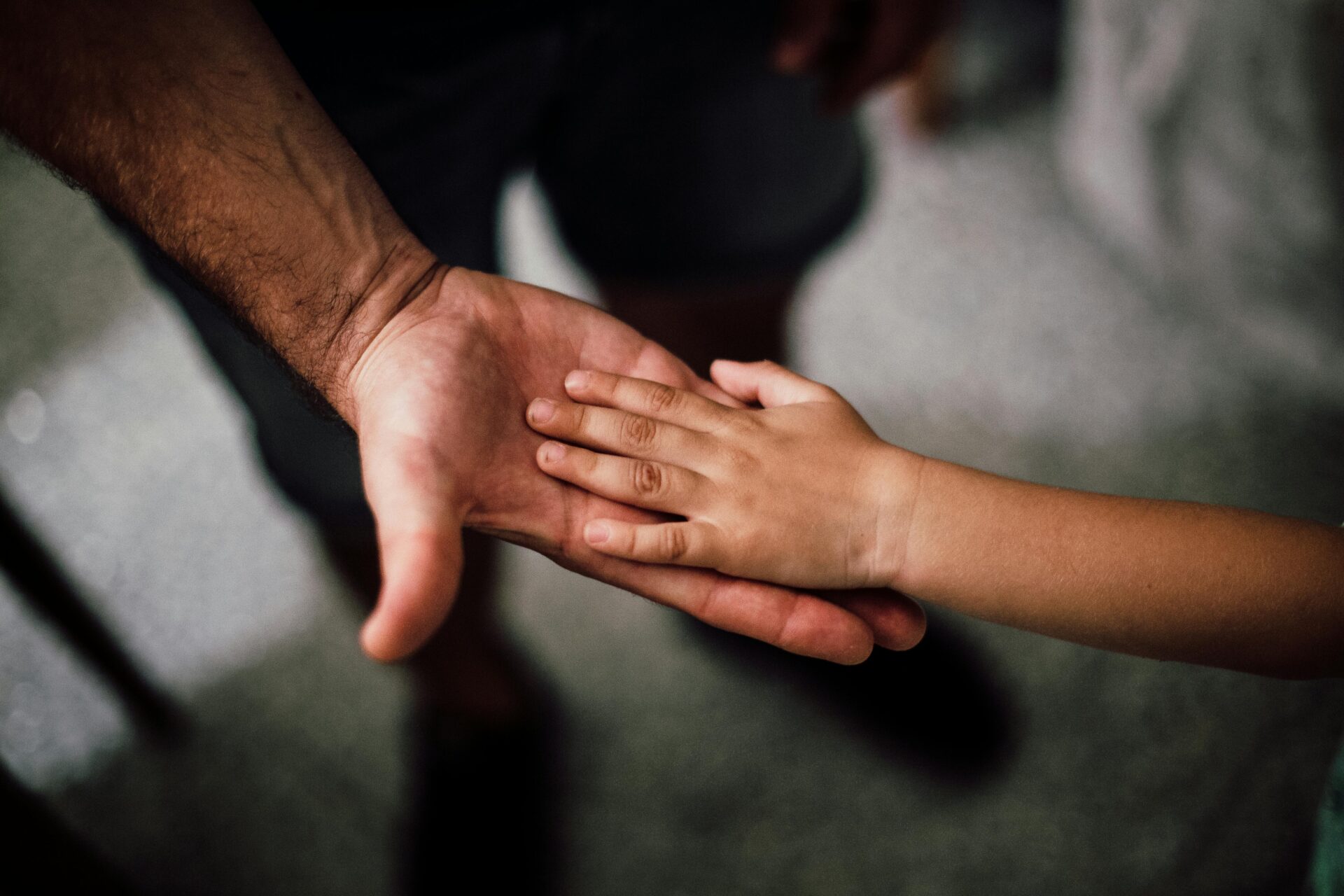
Now more than ever, young people need an environment where they feel seen, heard, and valued. […] Creating connection starts with you, so allow youth to get to know you as a human being in a way that feels comfortable. For example, you can share things about yourself like your favorite hobbies or places to travel. You may also choose to share about your own mental health journey to reduce stigma without sharing triggering details.
Share This Post!
5 Reasons Why We Blame Ourselves After Trauma
By Kaytee Gillis, LCSW-BACS As a therapist who works with survivors of childhood trauma, I find that self-blame is a common part of their experience. As a survivor myself, I experience [...]
Child-Parent Psychotherapy Resources
By University of California, San Francisco Child-Parent Psychotherapy (CPP) is an intervention model for children aged 0-5 who have experienced at least one traumatic event (e.g. maltreatment, the sudden or traumatic [...]
Caring for Caregivers Experiencing Secondary Trauma
By Heather C. Forkey, MD, Elaine Schulte, MD, MPH, and Luanne Thorndyke, MD Secondary traumatic stress (STS) is the emotional duress caused by indirect exposure to distressing events experienced by others. [...]
How to Talk About Mental Health
By SAMHSA Mental health is essential to a person’s life in the same way as physical health. Hesitation to talk about mental health adds to the notion that the topic is [...]
Prioritizing Minority Mental Health
By CDC Office of Health Equity Mental health matters! Mental health includes our emotional, psychological, and social well-being. It affects how we think, feel, act, handle stress, relate to others, and make [...]
Exploratory Study Associates Childhood Trauma with Brain Features in Abusive Mothers
By University of Fukui As sad as it is, child maltreatment continues to be a prevalent global social issue. Recent studies have revealed that up to one billion children aged 2 [...]