


By Elizabeth Hartney, PhD
Child abuse is known to repeat itself from generation to generation. Although not universal, the children of people with addictions are at higher risk of all types of abuse, and of developing addictions. The reasons why people who were sexually abused in childhood go on to have abusive relationships in adulthood, either as an abuser or as a victim, are complex and well documented. But is breaking the cycle of child abuse possible? Or does the experience of child abuse mean that abusive relationships are inevitable?
Absolutely not. By following these tips, you can stop the cycle of abuse and learn to have strong, nurturing relationships with your own children.
Share This Post!
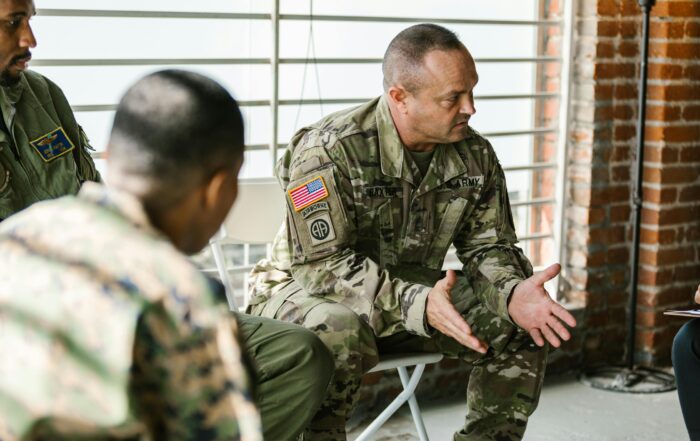
SAMHSA Recognizes Posttraumatic Stress Disorder Awareness Month
CSF written article Your Content Goes Here By Stacey Owens, M.S.W., LCSW-C, Military and Veterans Affairs Liaison, Center for Mental Health Services Although often associated with combat veterans, Posttraumatic Stress Disorder [...]

Post-traumatic Stress Disorder and Cancer
CSF written article Your Content Goes Here By American Society of Clinical Oncology (ASCO) Post-traumatic stress disorder (PTSD) is a type of anxiety disorder. Some people develop PTSD after [...]

Childhood Trauma Impacts Muscle Function in Later Life
CSF written article Your Content Goes Here By Morgan Sherburne – University of Michigan Adverse childhood experiences can detrimentally affect muscle function in older adults by impairing mitochondrial activity [...]

The True Link Between Early Trauma and Adult Mental Health
CSF written article Your Content Goes Here By David Rettew M.D., ABCs of Child Psychiatry The last decade of the 1990s was often labeled the “Decade of the Brain,” [...]

What’s the Best Treatment for PTSD in Children?
CSF written article Your Content Goes Here By Joan Kaufman, PhD Joan Kaufman, PhD, of the Department of Psychiatry at Yale University, discusses the different stages of trauma-focused cognitive [...]
Expert Consensus Regarding Indicators of a Traumatic Reaction in Autistic Youth: A Delphi Survey
CSF written article Your Content Goes Here By Connor M Kerns, Diana L Robins, Paul T Shattuck, Craig J Newschaffer, & Steven J Berkowitz It has been suggested that the sequelae of [...]