


By Elizabeth Hartney, PhD
Child abuse is known to repeat itself from generation to generation. Although not universal, the children of people with addictions are at higher risk of all types of abuse, and of developing addictions. The reasons why people who were sexually abused in childhood go on to have abusive relationships in adulthood, either as an abuser or as a victim, are complex and well documented. But is breaking the cycle of child abuse possible? Or does the experience of child abuse mean that abusive relationships are inevitable?
Absolutely not. By following these tips, you can stop the cycle of abuse and learn to have strong, nurturing relationships with your own children.
Share This Post!

The Power of Mindfulness
CSF written article Your Content Goes Here By Juliann Garey Mindfulness is a meditation practice that helps you calm down. It starts with focusing on your breathing. It helps [...]

Adverse Childhood Experiences
CSF written article Your Content Goes Here By CDC ACEs are common. About 64% of adults in the United States reported they had experienced at least one type of [...]
It Happened Here: Dr. Margaret Morgan Lawrence
CSF written article Your Content Goes Here By NYP History Every time she was turned away, Dr. Margaret Morgan Lawrence, whose career began at NewYork-Presbyterian in the 1940s, found [...]
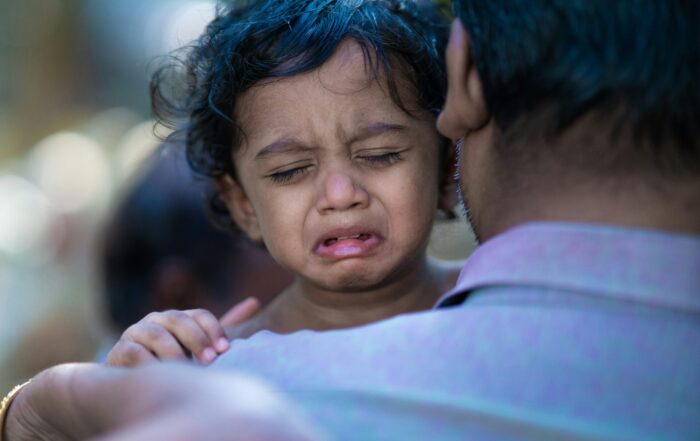
The Impact of Childhood Trauma on Developing Bipolar Disorder
CSF written article Your Content Goes Here By Yann Quidé, Leonardo Tozzi, Mark Corcoran, Dara M Cannon, Maria R Dauvermann Childhood trauma (CT) has been repeatedly linked to earlier onset and greater severity of [...]

Protecting Children from Sexual Abuse in the #MeToo Era
CSF written article Your Content Goes Here By Nickolas Agathis, MD Do you keep up with any modern social movements, such as #MeToo, #BlackLivesMatter or #KeepFamiliesTogether? The conversations surrounding them are [...]
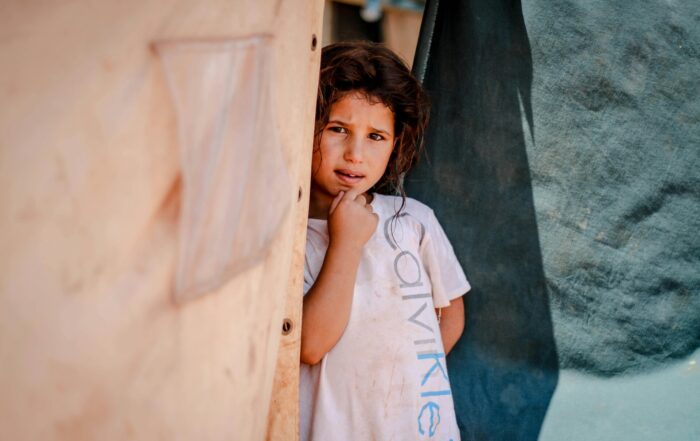
Immigrant Health is Interpersonal
CSF written article Your Content Goes Here By Amanda Venta, PhD Waves of Latinx immigration to the United States have changed in recent decades, and our scientific literature is [...]