

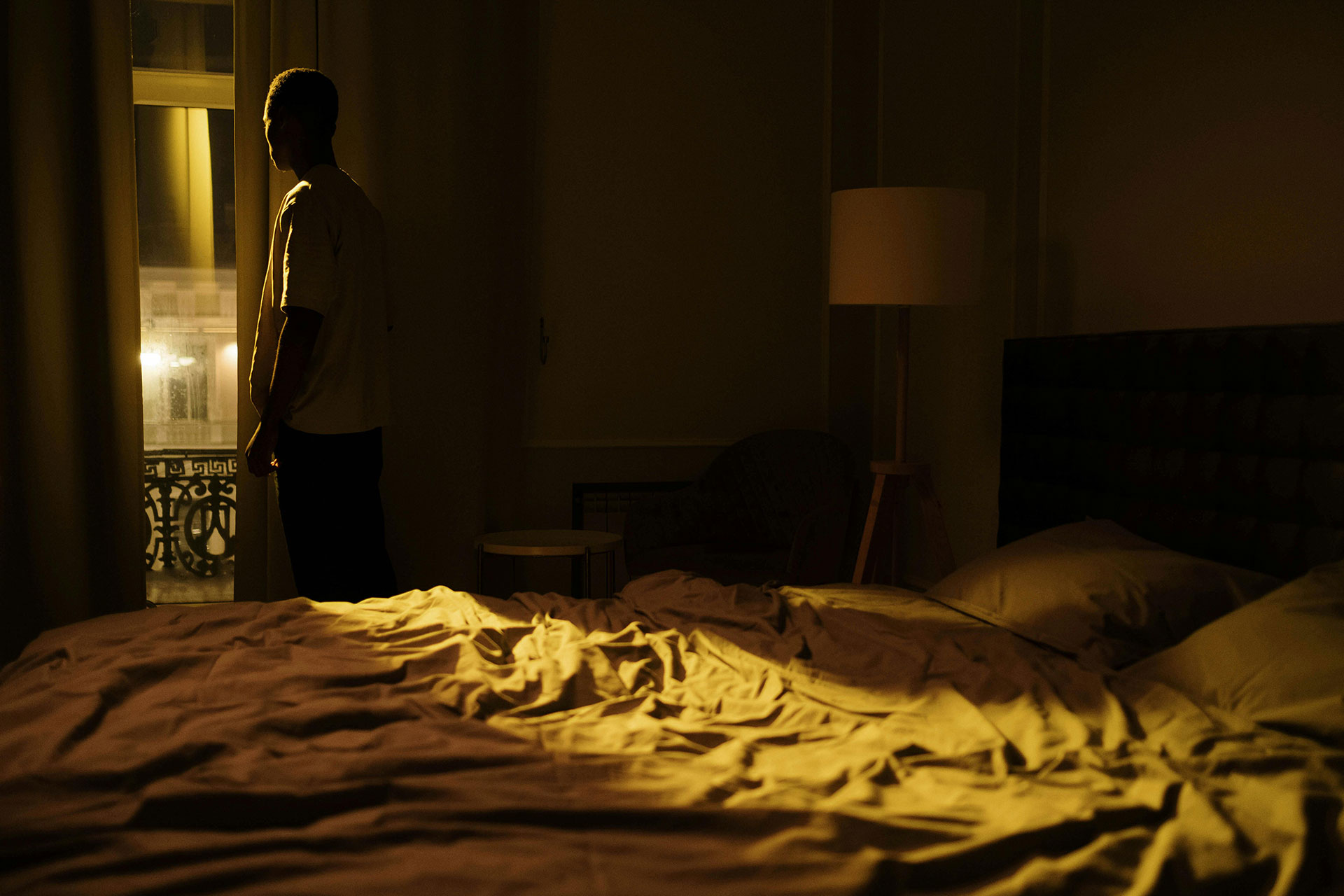
Background: Sleep health is a multidimensional concept that plays a critical role in both physical and mental well-being. While there is evidence to suggest that sleep health may be linked to long-term trauma associated with adverse childhood experiences (ACEs), most prior studies have focused on only one or two aspects of sleep health. Methods: We analyzed data from the Cape Cod Health Study to examine the relationship between the number of ACEs and twelve specific types of ACEs on a broad range of poor sleep health in adulthood. These included self-reported diagnoses of sleep apnea or other sleep disorders, short sleep duration, difficulty falling or staying asleep, feeling unrefreshed in the morning, trouble staying awake during the day, breathing pauses during sleep, and loud snoring. Results: Any ACE history was associated with an increased risk of numerous measures of poor sleep health, including sleep apnea or other sleep disorders, difficulty falling or staying asleep, trouble staying awake, and feeling poorly rested. Individuals with any ACE had a 1.72-fold increased risk of exhibiting three or more poor sleep quality measures (95% CI: 1.22-2.44), while those with four or more ACEs had a higher 2.30-fold increased risk of three or more poor sleep health measures (95% CI: 1.42-3.71). The risk of sleep apnea or other sleep disorders was increased among individuals with a history of peer isolation and rejection (Risk Ratio (RR): 3.92, 95% CI: 2.11-7.30), peer victimization (RR: 3.15, 95% CI: 1.54-6.44), and mental illness in a household member (RR: 2.92, 95% CI: 1.63-5.25). Notable associations with other measures of poor sleep included having an incarcerated household member, peer victimization and isolation, living in a “dangerous” community, and experiencing physical or sexual abuse. Conclusions: These findings underscore the importance of screening and implementing early interventions to prevent adverse childhood experiences. Identifying individuals at high risk can facilitate trauma-informed care, potentially reducing poor sleep health and its associated health issues during adulthood.
Share This Post!
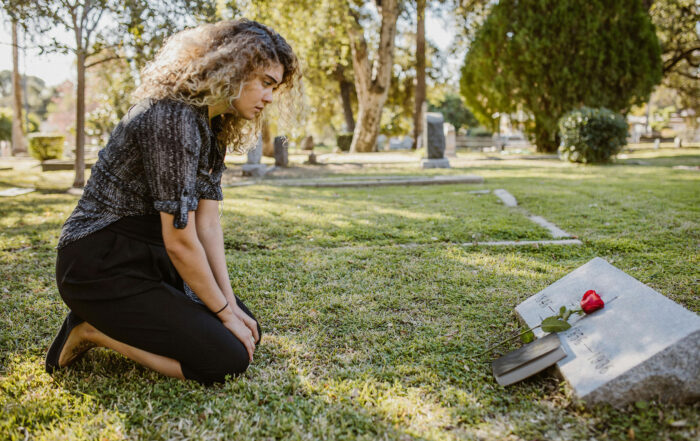
Helping Children and Adolescents Cope with Traumatic Events
By Southern California Sunrise Recovery Center Children and adolescents are exposed to a number of different traumatic events that can spark a lot of emotions and physical reactions. The effects of [...]
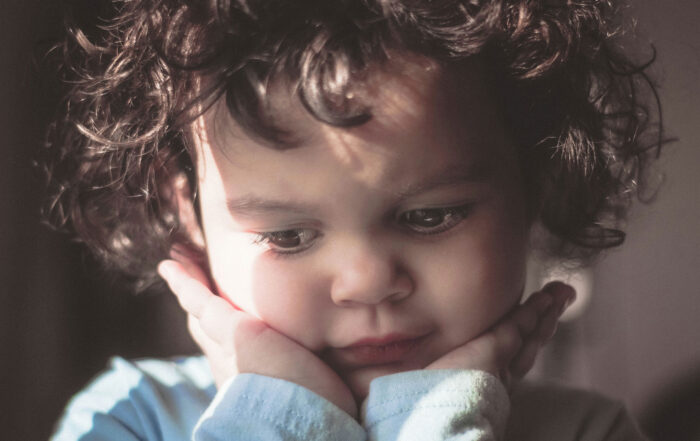
Trauma screening may help connect children to specific mental health services
By Penn State Each year between 200,000 and 270,000 children and youth enter foster care placements with child welfare services, and many more children receive child welfare services while remaining in [...]

The Mental Health of Minority and Marginalized Young People: An Opportunity for Action
By Vivek H. Murthy, Surgeon General Mental health is an essential part of overall health. It not only affects the ability of young people to succeed in school, at work, and [...]
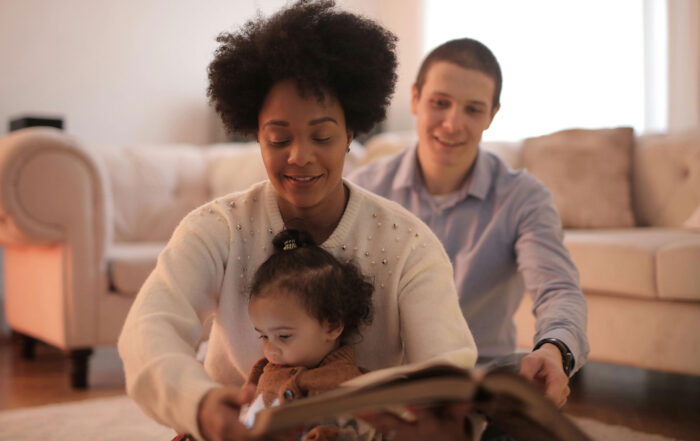
How to Break the Cycle of Childhoold Trauma? Help a Baby’s Parents
By Rhitu Chatterjee, NPR Teresa Cox-Bates was only 11 years old when her father died, an event that dramatically altered her family's circumstances and shaped her childhood experiences. Studies also show that [...]
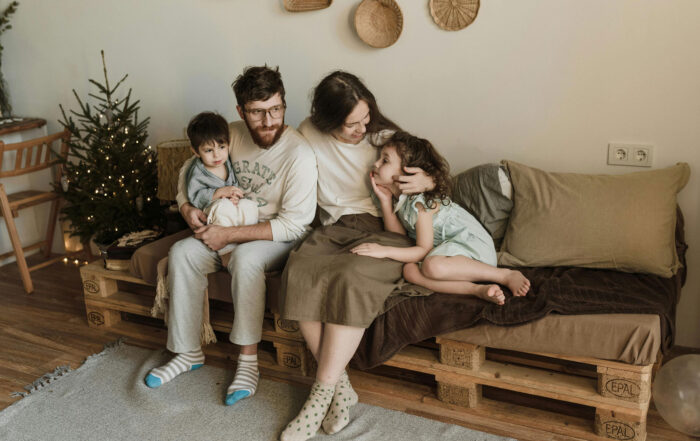
Supporting Children and Teens During the Holiday Season
Provided by The National Child Traumatic Stress Network This fact sheet provides tips that parents can use to talk to their children and teens about how they are feeling and changes to [...]
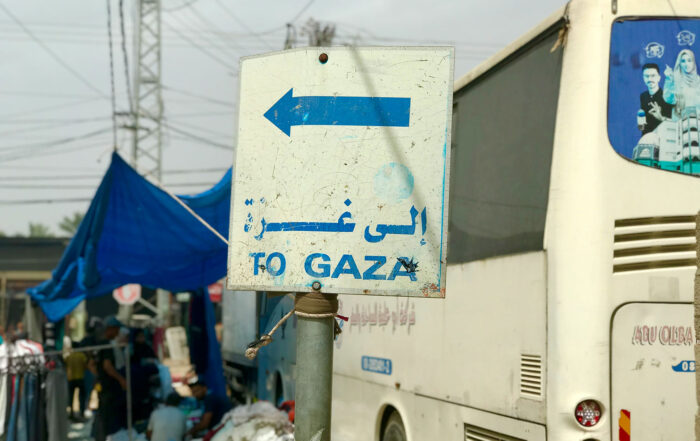
How a History of Trauma is Affecting the Children of Gaza
By Rhitu Chatterjee, NPR Researchers say the cumulative trauma of chronic ethnic-political violence has a profound and lasting impact on children's mental health and development, affecting their functioning and outlook on the [...]