

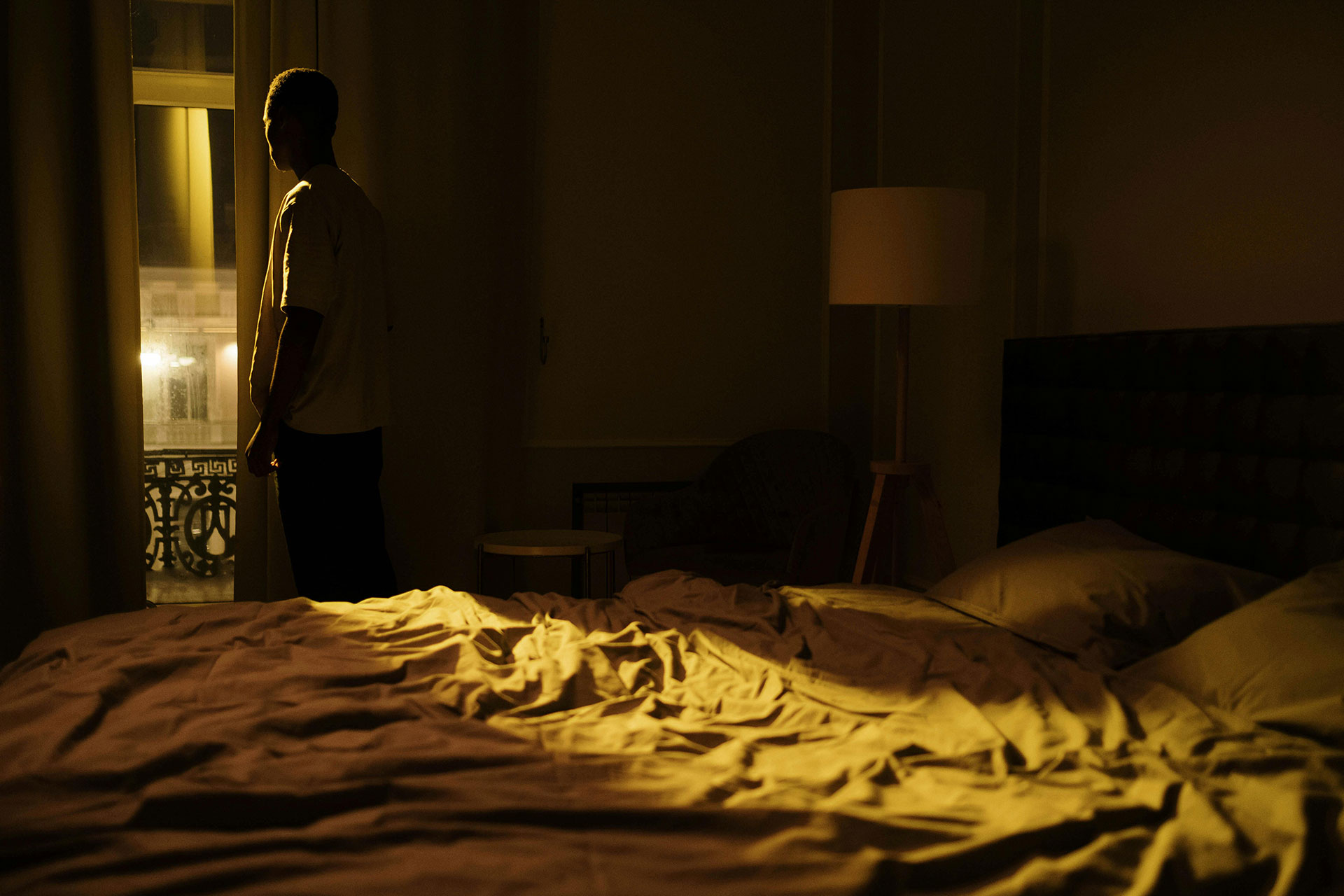
Background: Sleep health is a multidimensional concept that plays a critical role in both physical and mental well-being. While there is evidence to suggest that sleep health may be linked to long-term trauma associated with adverse childhood experiences (ACEs), most prior studies have focused on only one or two aspects of sleep health. Methods: We analyzed data from the Cape Cod Health Study to examine the relationship between the number of ACEs and twelve specific types of ACEs on a broad range of poor sleep health in adulthood. These included self-reported diagnoses of sleep apnea or other sleep disorders, short sleep duration, difficulty falling or staying asleep, feeling unrefreshed in the morning, trouble staying awake during the day, breathing pauses during sleep, and loud snoring. Results: Any ACE history was associated with an increased risk of numerous measures of poor sleep health, including sleep apnea or other sleep disorders, difficulty falling or staying asleep, trouble staying awake, and feeling poorly rested. Individuals with any ACE had a 1.72-fold increased risk of exhibiting three or more poor sleep quality measures (95% CI: 1.22-2.44), while those with four or more ACEs had a higher 2.30-fold increased risk of three or more poor sleep health measures (95% CI: 1.42-3.71). The risk of sleep apnea or other sleep disorders was increased among individuals with a history of peer isolation and rejection (Risk Ratio (RR): 3.92, 95% CI: 2.11-7.30), peer victimization (RR: 3.15, 95% CI: 1.54-6.44), and mental illness in a household member (RR: 2.92, 95% CI: 1.63-5.25). Notable associations with other measures of poor sleep included having an incarcerated household member, peer victimization and isolation, living in a “dangerous” community, and experiencing physical or sexual abuse. Conclusions: These findings underscore the importance of screening and implementing early interventions to prevent adverse childhood experiences. Identifying individuals at high risk can facilitate trauma-informed care, potentially reducing poor sleep health and its associated health issues during adulthood.
Share This Post!

Posttraumatic Stress Disorder: The Missed Diagnosis
National Institute of Health Posttraumatic stress disorder (PTSD) is frequently under-diagnosed in maltreated samples. Protective services information is critical for obtaining complete trauma histories and determining whether to survey PTSD symptoms [...]

Types of Therapy for Childhood Trauma Explained
Medically reviewed by Akilah Reynolds, PhD — Written by Mandy French on August 30, 2023 Childhood trauma can affect people in various ways. There are many therapy options to help treat the effects of this trauma. A [...]

The Intersection of Childhood Trauma and Addiction
By Shannon Karl Substance dependence leads to persistent negative consequences and the loss of human potential. These consequences often include chronic health problems, dysfunctional family environments, harmful economic impacts and premature [...]

Helping Children and Adolescents Cope With Traumatic Events
By National Institute of Mental Health Every year, children and adolescents experience disasters and other traumatic events. Family, friends, and trusted adults play an essential role in helping youth cope with [...]

The Link Between ADHD and Trauma
By Medical News Today Attention deficit hyperactivity disorder (ADHD) is a common neurodevelopmental disorder that often begins in childhood. Studies have found that trauma occurring in childhood may exacerbate or predict [...]
5 Reasons Why We Blame Ourselves After Trauma
By Kaytee Gillis, LCSW-BACS As a therapist who works with survivors of childhood trauma, I find that self-blame is a common part of their experience. As a survivor myself, I experience [...]