

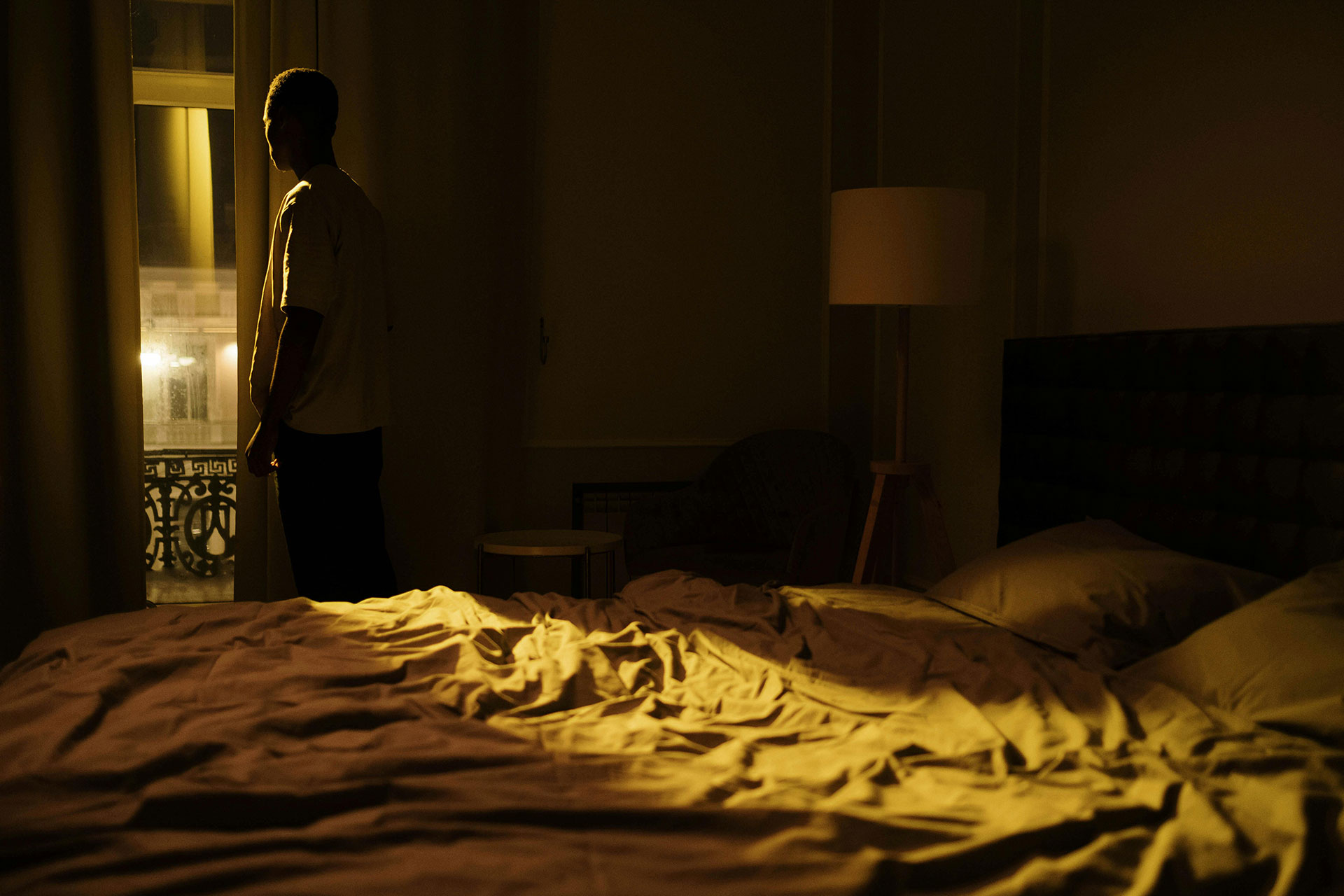
Background: Sleep health is a multidimensional concept that plays a critical role in both physical and mental well-being. While there is evidence to suggest that sleep health may be linked to long-term trauma associated with adverse childhood experiences (ACEs), most prior studies have focused on only one or two aspects of sleep health. Methods: We analyzed data from the Cape Cod Health Study to examine the relationship between the number of ACEs and twelve specific types of ACEs on a broad range of poor sleep health in adulthood. These included self-reported diagnoses of sleep apnea or other sleep disorders, short sleep duration, difficulty falling or staying asleep, feeling unrefreshed in the morning, trouble staying awake during the day, breathing pauses during sleep, and loud snoring. Results: Any ACE history was associated with an increased risk of numerous measures of poor sleep health, including sleep apnea or other sleep disorders, difficulty falling or staying asleep, trouble staying awake, and feeling poorly rested. Individuals with any ACE had a 1.72-fold increased risk of exhibiting three or more poor sleep quality measures (95% CI: 1.22-2.44), while those with four or more ACEs had a higher 2.30-fold increased risk of three or more poor sleep health measures (95% CI: 1.42-3.71). The risk of sleep apnea or other sleep disorders was increased among individuals with a history of peer isolation and rejection (Risk Ratio (RR): 3.92, 95% CI: 2.11-7.30), peer victimization (RR: 3.15, 95% CI: 1.54-6.44), and mental illness in a household member (RR: 2.92, 95% CI: 1.63-5.25). Notable associations with other measures of poor sleep included having an incarcerated household member, peer victimization and isolation, living in a “dangerous” community, and experiencing physical or sexual abuse. Conclusions: These findings underscore the importance of screening and implementing early interventions to prevent adverse childhood experiences. Identifying individuals at high risk can facilitate trauma-informed care, potentially reducing poor sleep health and its associated health issues during adulthood.
Share This Post!
It Happened Here: Dr. Margaret Morgan Lawrence
By NYP History Every time she was turned away, Dr. Margaret Morgan Lawrence, whose career began at NewYork-Presbyterian in the 1940s, found a new opportunity to succeed, eventually becoming the first [...]
The Impact of Childhood Trauma on Developing Bipolar Disorder
By Yann Quidé, Leonardo Tozzi, Mark Corcoran, Dara M Cannon, Maria R Dauvermann Childhood trauma (CT) has been repeatedly linked to earlier onset and greater severity of bipolar disorder (BD) in adulthood. However, such knowledge [...]

Protecting Children from Sexual Abuse in the #MeToo Era
By Nickolas Agathis, MD Do you keep up with any modern social movements, such as #MeToo, #BlackLivesMatter or #KeepFamiliesTogether? The conversations surrounding them are still grabbing widespread attention through social media [...]
Immigrant Health is Interpersonal
By Amanda Venta, PhD Waves of Latinx immigration to the United States have changed in recent decades, and our scientific literature is only beginning to catch up. Regional violence and unrest [...]

Essential Elements of a Trauma-Informed Juvenile Justice System
NCTSN Trauma-informed policies and procedures make juvenile justice organizations safer and more effective by ensuring the physical and psychological safety of all youth, family members, and staff and promoting their recovery [...]

How Childhood Trauma Can Impact the Brain
Written by Kaytee Gillis, LCSW A recent study published in Biological Psychiatry: Cognitive Neuroscience and Neuroimaging finds that childhood trauma can lead to disruptions in two main regions of the brain, the default mode network (DMN) and [...]