


Background: Sleep health is a multidimensional concept that plays a critical role in both physical and mental well-being. While there is evidence to suggest that sleep health may be linked to long-term trauma associated with adverse childhood experiences (ACEs), most prior studies have focused on only one or two aspects of sleep health. Methods: We analyzed data from the Cape Cod Health Study to examine the relationship between the number of ACEs and twelve specific types of ACEs on a broad range of poor sleep health in adulthood. These included self-reported diagnoses of sleep apnea or other sleep disorders, short sleep duration, difficulty falling or staying asleep, feeling unrefreshed in the morning, trouble staying awake during the day, breathing pauses during sleep, and loud snoring. Results: Any ACE history was associated with an increased risk of numerous measures of poor sleep health, including sleep apnea or other sleep disorders, difficulty falling or staying asleep, trouble staying awake, and feeling poorly rested. Individuals with any ACE had a 1.72-fold increased risk of exhibiting three or more poor sleep quality measures (95% CI: 1.22-2.44), while those with four or more ACEs had a higher 2.30-fold increased risk of three or more poor sleep health measures (95% CI: 1.42-3.71). The risk of sleep apnea or other sleep disorders was increased among individuals with a history of peer isolation and rejection (Risk Ratio (RR): 3.92, 95% CI: 2.11-7.30), peer victimization (RR: 3.15, 95% CI: 1.54-6.44), and mental illness in a household member (RR: 2.92, 95% CI: 1.63-5.25). Notable associations with other measures of poor sleep included having an incarcerated household member, peer victimization and isolation, living in a “dangerous” community, and experiencing physical or sexual abuse. Conclusions: These findings underscore the importance of screening and implementing early interventions to prevent adverse childhood experiences. Identifying individuals at high risk can facilitate trauma-informed care, potentially reducing poor sleep health and its associated health issues during adulthood.
Share This Post!

Trauma-Informed Organizations
Source: The National Child Traumatic Stress Network (NCTSN) Part 2 provides a broad overview of how to create and implement an institutional framework for trauma-informed services in program delivery and staff development, policies [...]
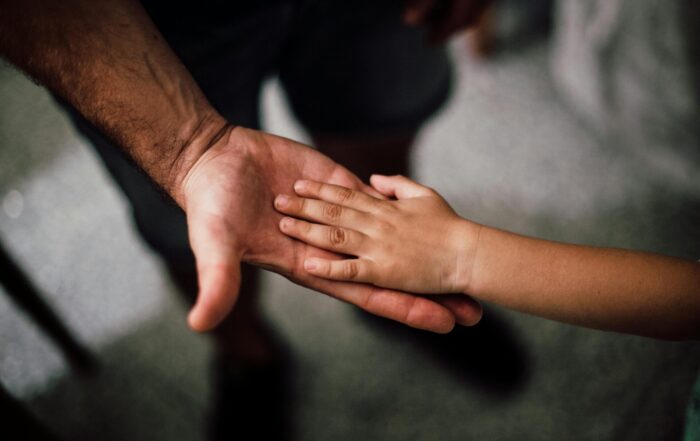
Early childhood trauma and its long-term impact on cognitive and emotional development
Source: National Library of Medicine Childhood trauma has profound, long-term effects on cognitive and emotional development. This systematic review and meta-analysis sought to synthesis the evidence around the long-term impact of [...]
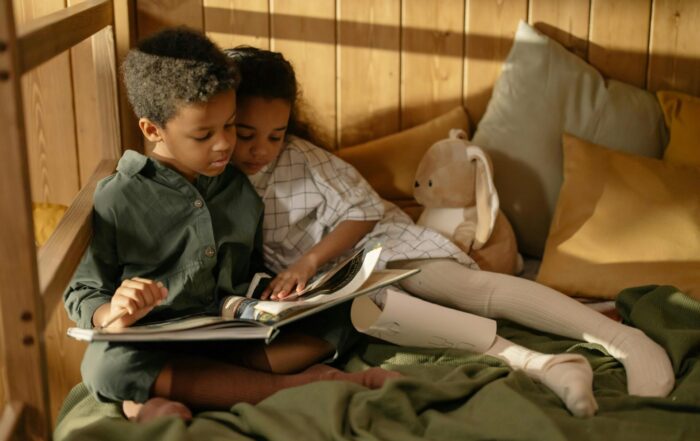
Helping children who have or are experiencing trauma this holiday season
For many, the holiday season is a joyful one – the popular song “Have a Holly, Jolly Christmas” comes to mind – but for children who have or are experiencing trauma, Christmas, [...]
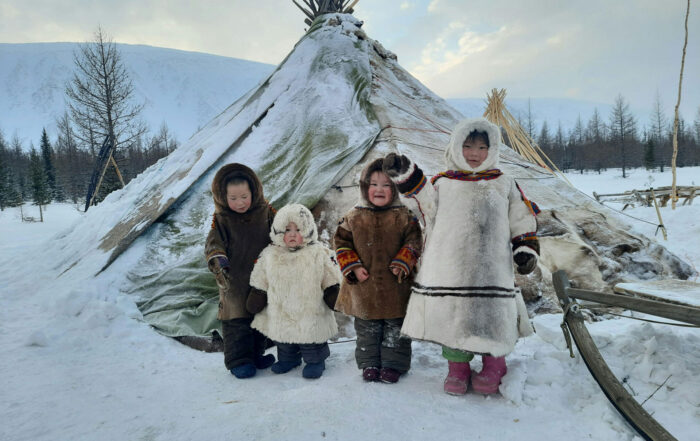
Healing Frameworks: Understanding ACEs in Indigenous Communities
The National Indian Health Board (NIHB) is committed to advocating for the health and well-being of Indigenous communities. One of our key initiatives focuses on addressing adverse childhood experiences (ACEs), which are traumatic [...]

Gratitude Not Required: A Trauma-Informed Thanksgiving for Children in Care
By Beth Tyson Children impacted by any kind of family separation, whether it be foster care, adoption, or divorce, don’t have to feel thankful during Thanksgiving or any other holiday. There, I [...]

Emotional and Psychological Trauma
By Lawrence Robinson, Melinda Smith, M.A. and Jeanne Segal, Ph.D. What is emotional and psychological trauma? Emotional and psychological trauma occurs when extraordinarily stressful events shatter your sense of security. Psychological trauma can leave you [...]