

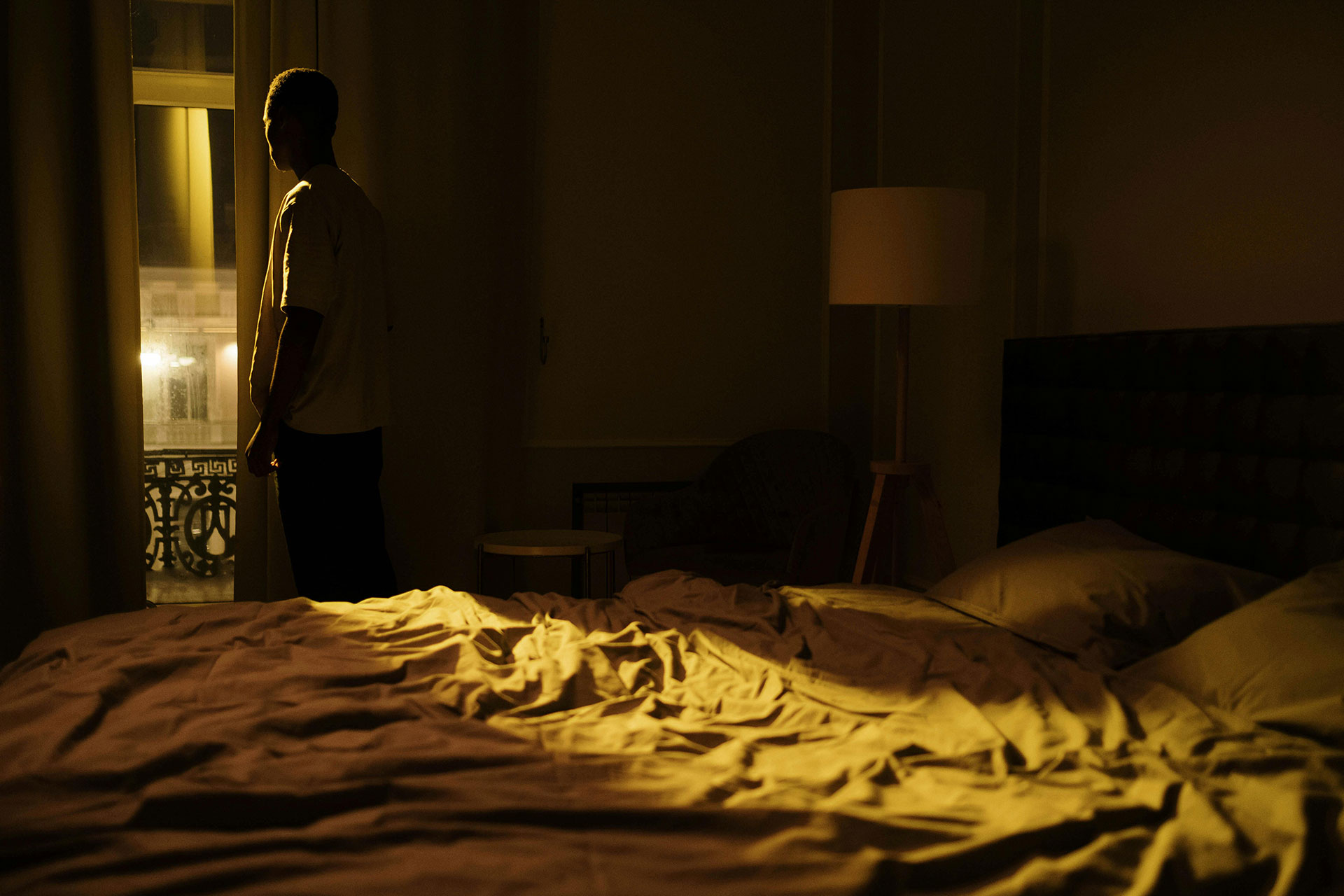
Background: Sleep health is a multidimensional concept that plays a critical role in both physical and mental well-being. While there is evidence to suggest that sleep health may be linked to long-term trauma associated with adverse childhood experiences (ACEs), most prior studies have focused on only one or two aspects of sleep health. Methods: We analyzed data from the Cape Cod Health Study to examine the relationship between the number of ACEs and twelve specific types of ACEs on a broad range of poor sleep health in adulthood. These included self-reported diagnoses of sleep apnea or other sleep disorders, short sleep duration, difficulty falling or staying asleep, feeling unrefreshed in the morning, trouble staying awake during the day, breathing pauses during sleep, and loud snoring. Results: Any ACE history was associated with an increased risk of numerous measures of poor sleep health, including sleep apnea or other sleep disorders, difficulty falling or staying asleep, trouble staying awake, and feeling poorly rested. Individuals with any ACE had a 1.72-fold increased risk of exhibiting three or more poor sleep quality measures (95% CI: 1.22-2.44), while those with four or more ACEs had a higher 2.30-fold increased risk of three or more poor sleep health measures (95% CI: 1.42-3.71). The risk of sleep apnea or other sleep disorders was increased among individuals with a history of peer isolation and rejection (Risk Ratio (RR): 3.92, 95% CI: 2.11-7.30), peer victimization (RR: 3.15, 95% CI: 1.54-6.44), and mental illness in a household member (RR: 2.92, 95% CI: 1.63-5.25). Notable associations with other measures of poor sleep included having an incarcerated household member, peer victimization and isolation, living in a “dangerous” community, and experiencing physical or sexual abuse. Conclusions: These findings underscore the importance of screening and implementing early interventions to prevent adverse childhood experiences. Identifying individuals at high risk can facilitate trauma-informed care, potentially reducing poor sleep health and its associated health issues during adulthood.
Share This Post!
Behavioral Health Specialists Help Locals Kick the Winter Blues
By Brian D. King Christmas, New Year’s, and the winter months feel blue to many. While the season brings together family, which for many is a source of joy, but for [...]

Penn State Researchers Publish Study on Adolescent Recovery from PTSS
By Melissa Krug Children in the United States may be exposed to a high rate of adverse experiences that result in post-traumatic stress symptoms (PTSS), which can appear as feelings of [...]

Break the Silence; New Intensive Online Program to Help PTSD, Trauma and Anxiety
Purple Heart Behavioral Health This innovative new online program offers treatments that have been scientifically shown to be effective in helping people overcome these difficulties. Clinically proven treatments delivered conveniently through [...]

Adults With a History of Childhood Trauma Can Benefit From Recommended Depression Treatments, Contrary to Current Theory
The Lancet Psychiatry, neurosciencenews.com Patients with major depressive disorder who experienced trauma during childhood see symptom improvement following psychopharmacological intervention, psychotherapy, or a combination of both. The results of a new [...]

Post-Traumatic Growth: What You Need to Know
by Nicole McDermott Trauma—either as a one-time event or prolonged exposure— can cause a wide range of mental health issues including flashbacks, sleep disturbances, anxiety, grief and substance misuse. Healing from [...]
PTSD and Suicide After Natural Disasters
by César A. Alfonso, MD Everyone in Puerto Rico (PR) was affected by Hurricane Maria, which made landfall on September 20, 2017 as the largest scale natural disaster in the US [...]