

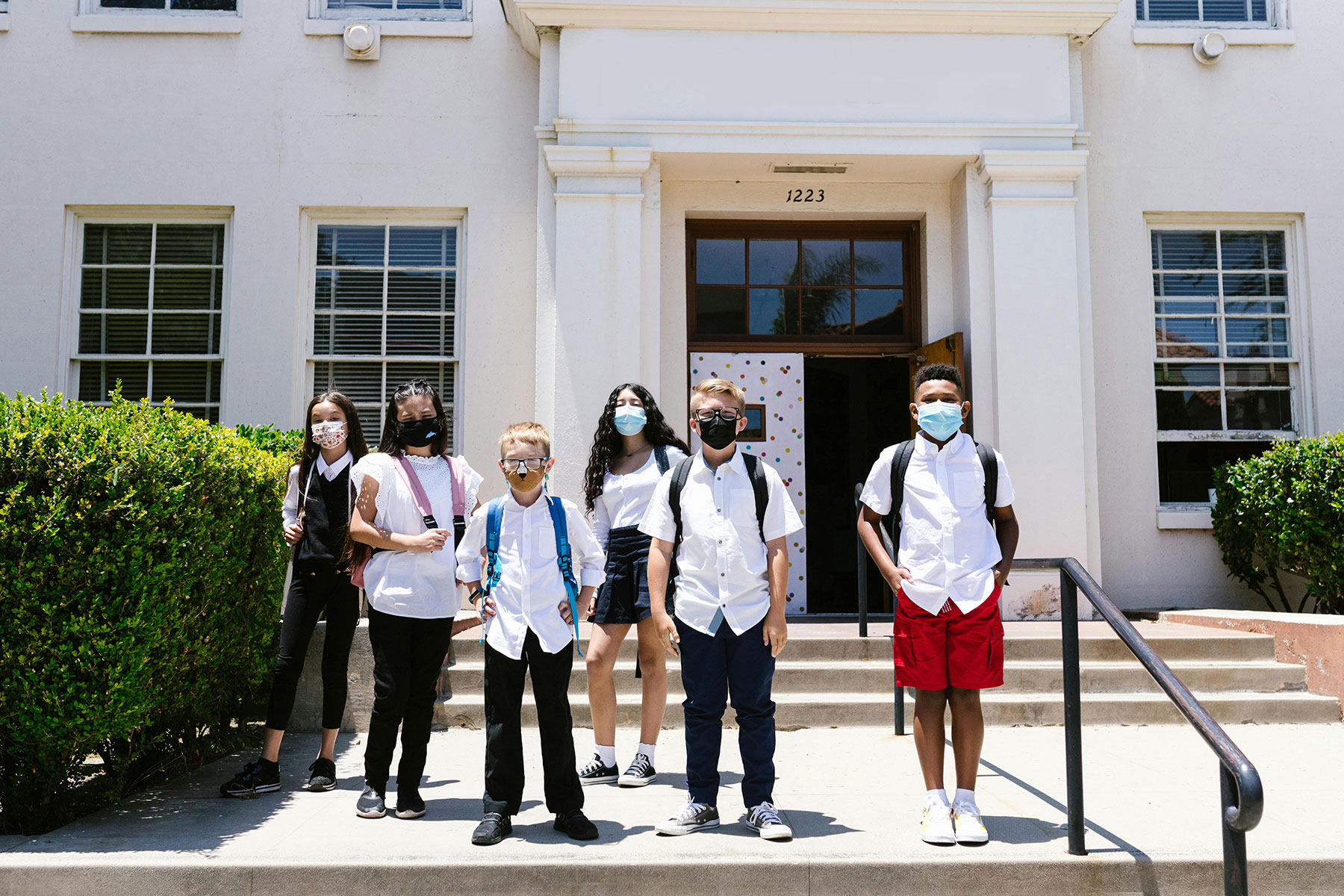
Rosalinda Guzman was inside a bathroom stall at school when something begged for attention.
It was on the door, where the school posts announcements.
“That little tiny piece of paper was just so different from everything else that it really caught my eye,” said the 18-year-old student from Kersey who attends Windsor Charter Academy.
“And it said, ‘Are you feeling stressed? Talk to your counselor. Email here or just walk in.’ And so, I did.”
That was in January when the students came back into school to learn in person.
Rosalinda, who goes by Rosi, has long struggled with anxiety, depression and abandonment issues. She also has trust issues from being bullied when she was younger. She said she’s weathered the ups and downs of the pandemic pretty well. But over the past few months, noticed she’d been feeling guilty about eating.
“It really gets in my head that I have to lose weight and I have to be slim and I can’t gain weight,” Rosi said. “So that makes me just not want to eat and not be hungry and lose my appetite.”
Eating disorders are up across all age groups during the pandemic. The school counselor encouraged Rosi to start journaling what she eats and how she feels about it. An online eating disorder group helped. Rosi feels she’s eating pretty regularly now. Being back in school helped connect her to mental health support. But while kids are at home learning remotely, many haven’t been able to access mental health interventions that might help.
Students’ mental health experiences during the pandemic have been mixed. Some kids are thriving. They like sleeping in a bit more and getting snacks when they want. Others, however, struggle.
Some adults worry about a powder keg of anxiety as more students cycle back into school. Although there’s light at the end of the pandemic tunnel now, some counselors report many children and teens are feeling emotionally, mentally and physically exhausted. It’s unclear right now whether the steps the state and some schools are taking will be enough to meet the need.
Share This Post!

Gratitude Not Required: A Trauma-Informed Thanksgiving for Children in Care
CSF written article Your Content Goes Here By Beth Tyson Children impacted by any kind of family separation, whether it be foster care, adoption, or divorce, don’t have to feel [...]

Emotional and Psychological Trauma
CSF written article Your Content Goes Here By Lawrence Robinson, Melinda Smith, M.A. and Jeanne Segal, Ph.D. What is emotional and psychological trauma? Emotional and psychological trauma occurs when extraordinarily stressful events shatter [...]

Understanding Childhood Trauma: Ways to Support Young People
CSF written article Your Content Goes Here By Boys & Girls Clubs of America For generations, tough childhood experiences have been swept under the rug by phrases like these. Oftentimes, [...]
Addressing The Link Between Trauma And Addiction
CSF written article Your Content Goes Here By National Governors Association Many Americans have experienced traumatic events, toxic stress, and other types of adversity in childhood. However, repeated exposure [...]
The Health Benefits of Volunteerism
CSF written article Your Content Goes Here By Eric Burger It’s a simple fact that every nonprofit organization knows: volunteering makes you feel better. But did you know that [...]
Checklist: Creating Safe Spaces for Youth
CSF written article Your Content Goes Here By Mental Health America Now more than ever, young people need an environment where they feel seen, heard, and valued. [...] Creating [...]