


The Lancet Psychiatry, neurosciencenews.com
Patients with major depressive disorder who experienced trauma during childhood see symptom improvement following psychopharmacological intervention, psychotherapy, or a combination of both. The results of a new study, published in The Lancet Psychiatry, suggest that contrary to current theory, these common treatments for major depressive disorder are effective for patients with childhood trauma.
Share This Post!

Prioritizing Minority Mental Health
CSF written article Your Content Goes Here By CDC Office of Health Equity Mental health matters! Mental health includes our emotional, psychological, and social well-being. It affects how we think, [...]
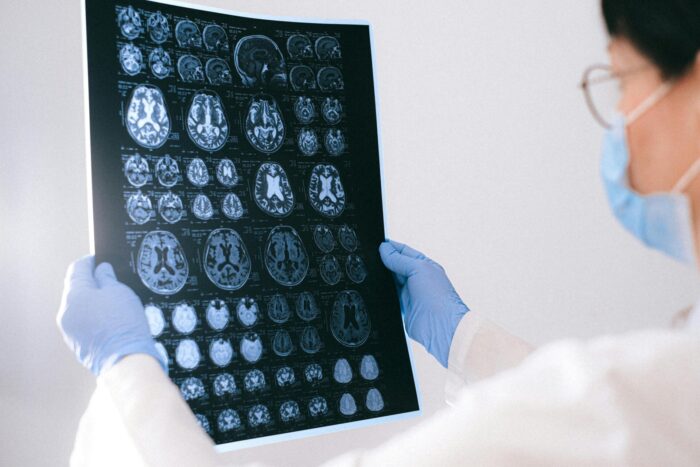
Exploratory Study Associates Childhood Trauma with Brain Features in Abusive Mothers
CSF written article Your Content Goes Here By University of Fukui As sad as it is, child maltreatment continues to be a prevalent global social issue. Recent studies have revealed [...]

SAMHSA Recognizes Posttraumatic Stress Disorder Awareness Month
CSF written article Your Content Goes Here By Stacey Owens, M.S.W., LCSW-C, Military and Veterans Affairs Liaison, Center for Mental Health Services Although often associated with combat veterans, Posttraumatic Stress Disorder [...]

Post-traumatic Stress Disorder and Cancer
CSF written article Your Content Goes Here By American Society of Clinical Oncology (ASCO) Post-traumatic stress disorder (PTSD) is a type of anxiety disorder. Some people develop PTSD after [...]

Childhood Trauma Impacts Muscle Function in Later Life
CSF written article Your Content Goes Here By Morgan Sherburne – University of Michigan Adverse childhood experiences can detrimentally affect muscle function in older adults by impairing mitochondrial activity [...]

The True Link Between Early Trauma and Adult Mental Health
CSF written article Your Content Goes Here By David Rettew M.D., ABCs of Child Psychiatry The last decade of the 1990s was often labeled the “Decade of the Brain,” [...]