

By Move For Hunger
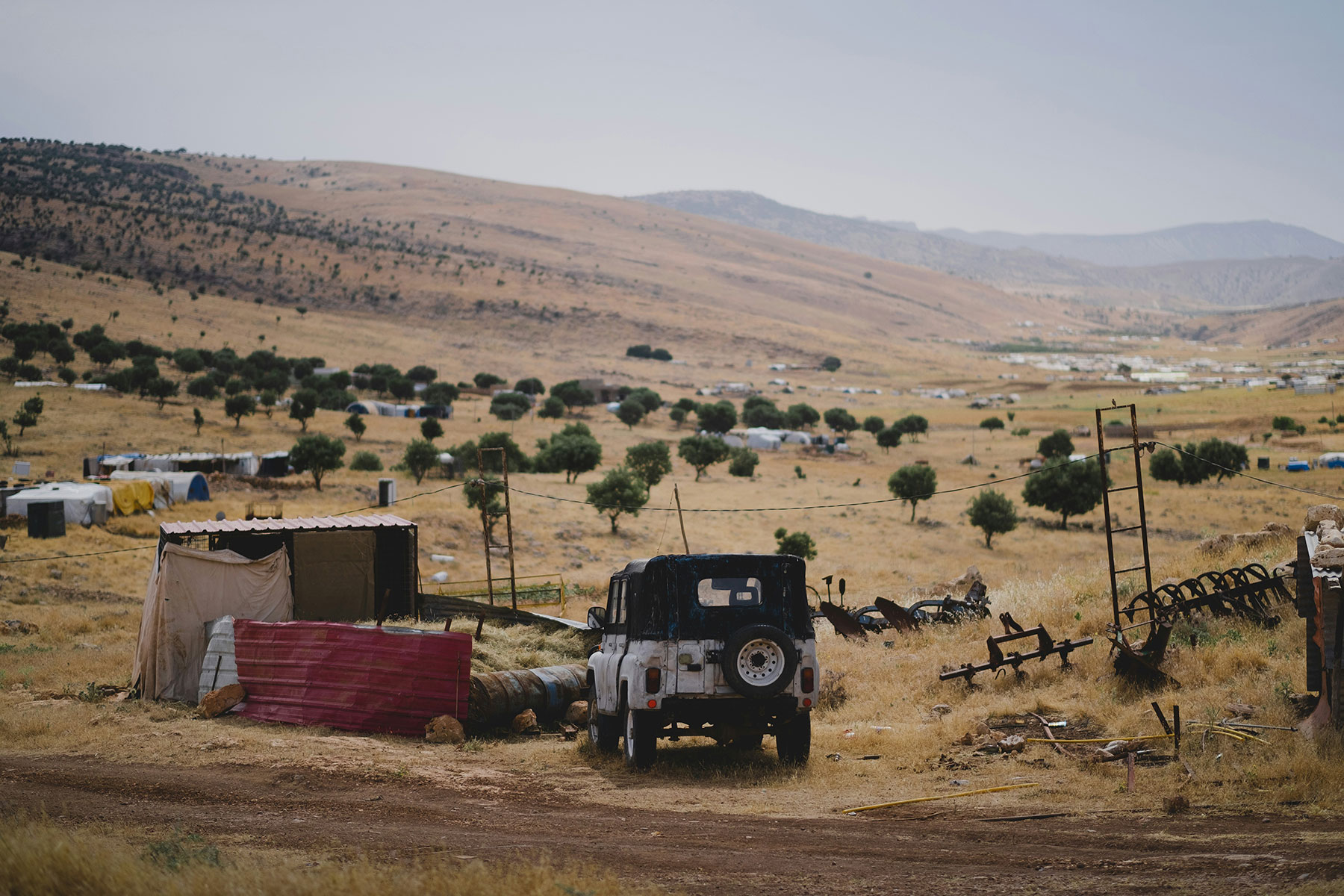
There are 13 million children in America who don’t know where their next meal will come from. Throughout the school year, many participate in programs that provide them with breakfast and lunch at a reduced or no cost. But what happens during summer break?
Food banks also face their greatest need for donations during the summertime. Families with children who had been receiving free or reduced-cost breakfast and/or lunch at school need to find a way to replace those meals during summer break – so they turn to their local food bank or pantry for assistance.
Share This Post!

After the Trauma: Helping My Child Cope
CSF written article Your Content Goes Here By The Center for Pediatric Traumatic Stress at Children's Hospital of Philadelphia and Nemours / Alfred I. duPont Hospital for Children A [...]

The Power of Mindfulness
CSF written article Your Content Goes Here By Juliann Garey Mindfulness is a meditation practice that helps you calm down. It starts with focusing on your breathing. It helps [...]

Adverse Childhood Experiences
CSF written article Your Content Goes Here By CDC ACEs are common. About 64% of adults in the United States reported they had experienced at least one type of [...]

It Happened Here: Dr. Margaret Morgan Lawrence
CSF written article Your Content Goes Here By NYP History Every time she was turned away, Dr. Margaret Morgan Lawrence, whose career began at NewYork-Presbyterian in the 1940s, found [...]
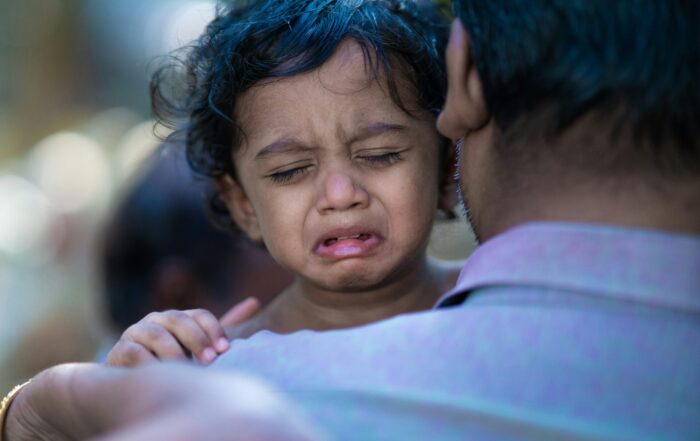
The Impact of Childhood Trauma on Developing Bipolar Disorder
CSF written article Your Content Goes Here By Yann Quidé, Leonardo Tozzi, Mark Corcoran, Dara M Cannon, Maria R Dauvermann Childhood trauma (CT) has been repeatedly linked to earlier onset and greater severity of [...]
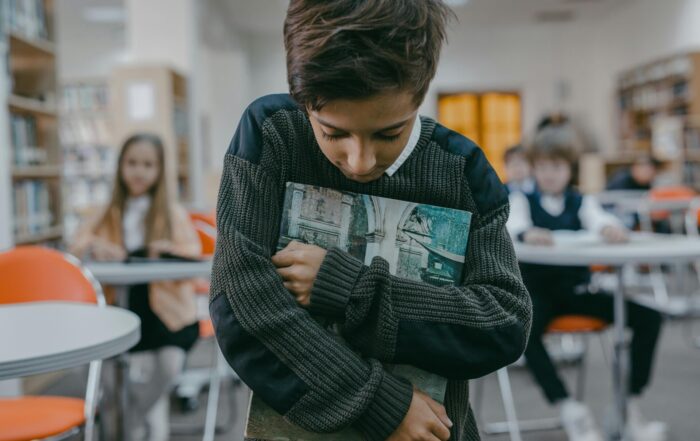
Protecting Children from Sexual Abuse in the #MeToo Era
CSF written article Your Content Goes Here By Nickolas Agathis, MD Do you keep up with any modern social movements, such as #MeToo, #BlackLivesMatter or #KeepFamiliesTogether? The conversations surrounding them are [...]