


By Starr Commonwealth
With grief, sadness is obvious. With trauma, the symptoms can go largely unrecognized because it shows up looking like other problems: frustration; acting out; difficulty concentrating, following directions, or working in a group. Often students are misdiagnosed with anxiety, behavior disorders, or attention disorders rather than understood to have trauma that’s driving those symptoms and reactions.
For children who have experienced trauma, learning can be a big struggle. But once trauma is identified as the root of the behavior, we can adapt our approach to help kids cope when they’re at school. Starr Commonwealth Chief Clinical Officer Dr. Caelan Soma offers these tips for understanding kids who have been through trauma plus strategies for helping them.
1. Kids who have experienced trauma aren’t trying to push your buttons.
If a child is having trouble with transitions or turning in a folder at the beginning of the day, remember that children may be distracted because of a situation at home that is causing them to worry. Instead of reprimanding children for being late or forgetting homework, be affirming and accommodating by establishing a visual cue or verbal reminder to help that child. “Switch your mind-set and remember the kid who has experienced trauma is not trying to push your buttons,” says Soma.
10 Things About Childhood Trauma Every Teacher Needs to Know

The Power of Mindfulness
CSF written article Your Content Goes Here By Juliann Garey Mindfulness is a meditation practice that helps you calm down. It starts with focusing on your breathing. It helps [...]

Adverse Childhood Experiences
CSF written article Your Content Goes Here By CDC ACEs are common. About 64% of adults in the United States reported they had experienced at least one type of [...]
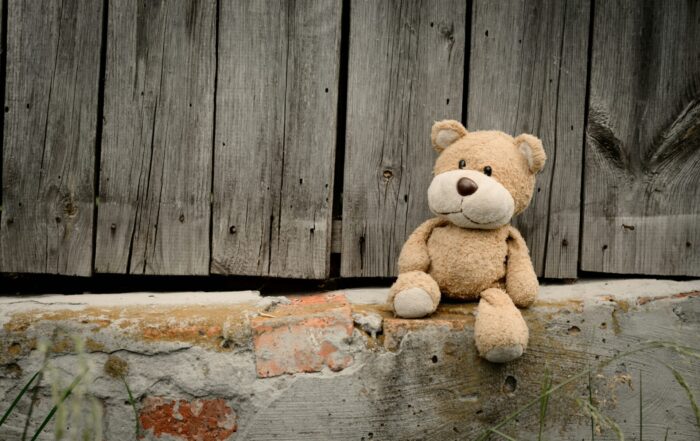
It Happened Here: Dr. Margaret Morgan Lawrence
CSF written article Your Content Goes Here By NYP History Every time she was turned away, Dr. Margaret Morgan Lawrence, whose career began at NewYork-Presbyterian in the 1940s, found [...]
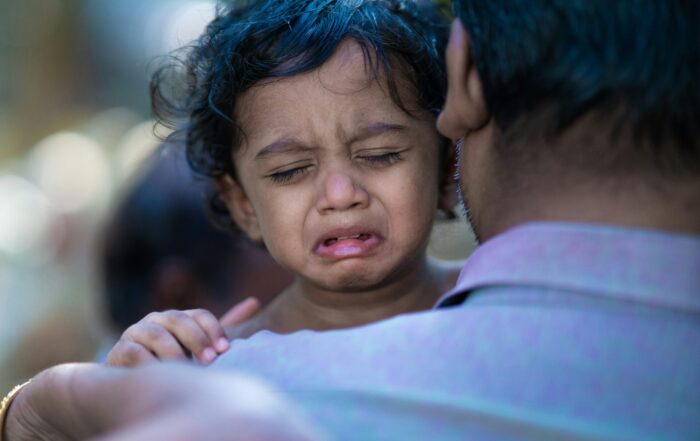
The Impact of Childhood Trauma on Developing Bipolar Disorder
CSF written article Your Content Goes Here By Yann Quidé, Leonardo Tozzi, Mark Corcoran, Dara M Cannon, Maria R Dauvermann Childhood trauma (CT) has been repeatedly linked to earlier onset and greater severity of [...]

Protecting Children from Sexual Abuse in the #MeToo Era
CSF written article Your Content Goes Here By Nickolas Agathis, MD Do you keep up with any modern social movements, such as #MeToo, #BlackLivesMatter or #KeepFamiliesTogether? The conversations surrounding them are [...]
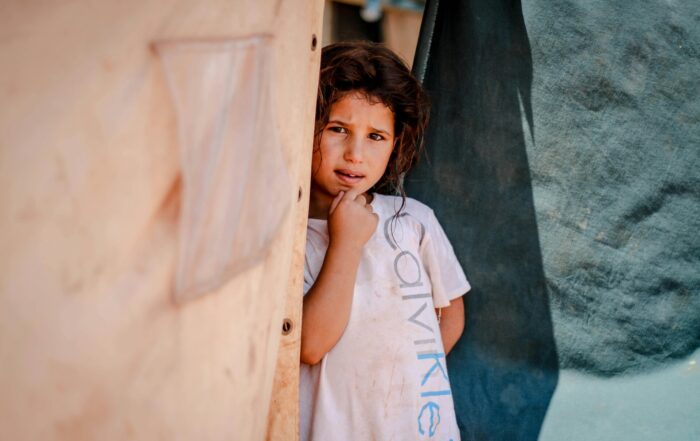
Immigrant Health is Interpersonal
CSF written article Your Content Goes Here By Amanda Venta, PhD Waves of Latinx immigration to the United States have changed in recent decades, and our scientific literature is [...]